CAMP & COLONY
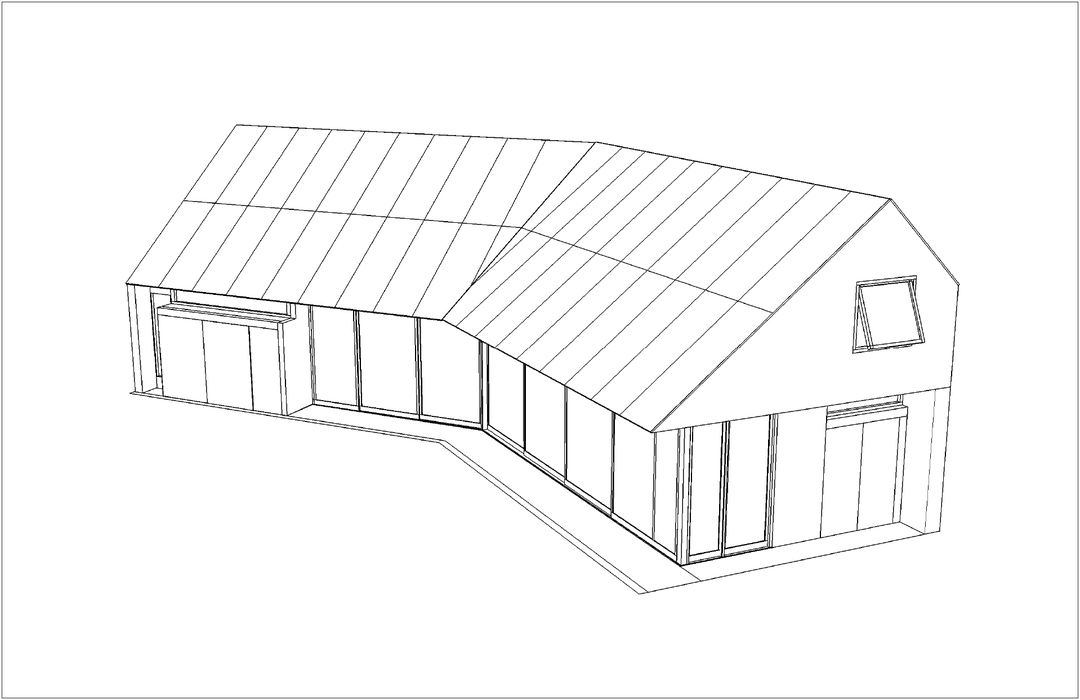
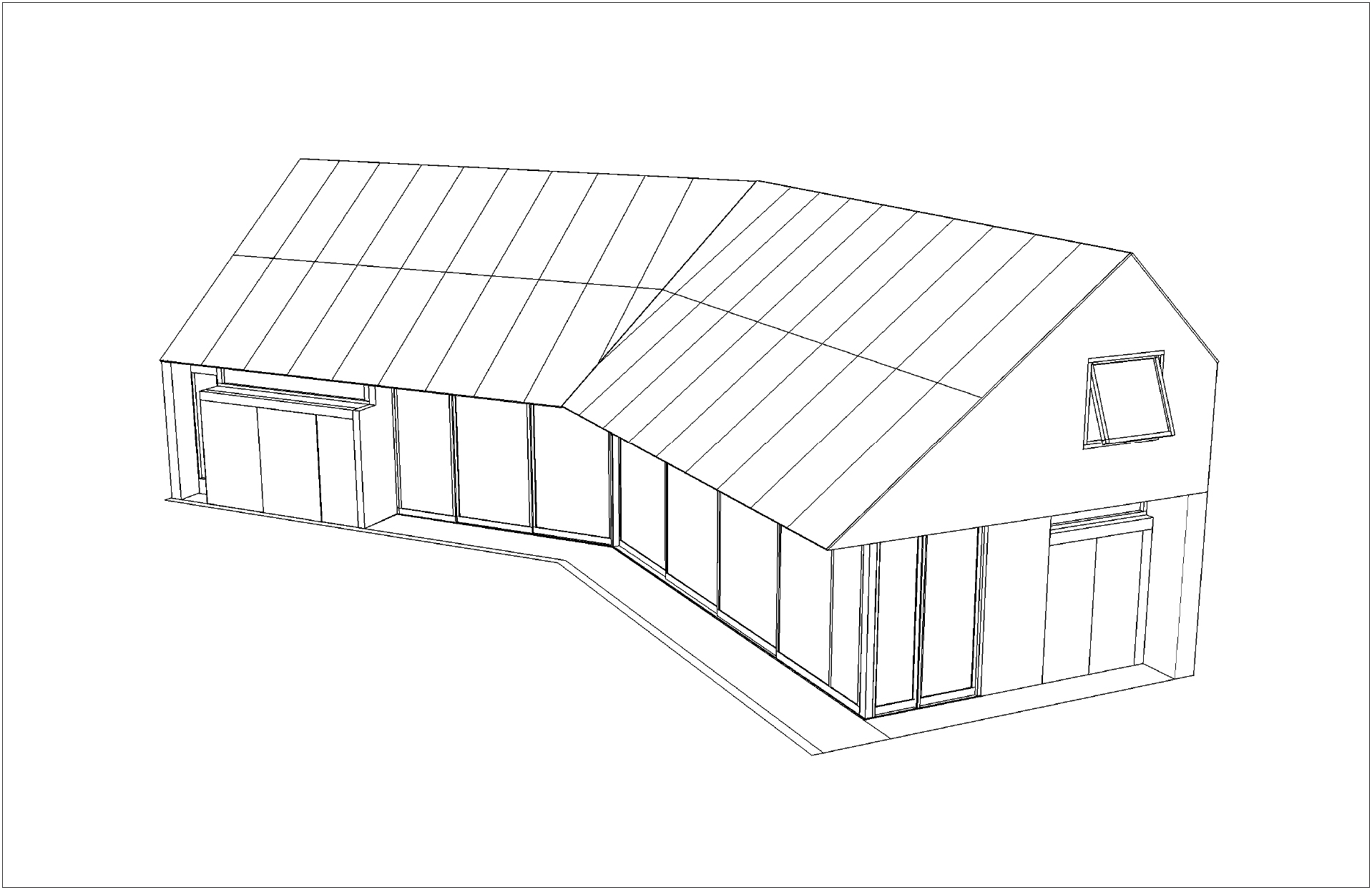
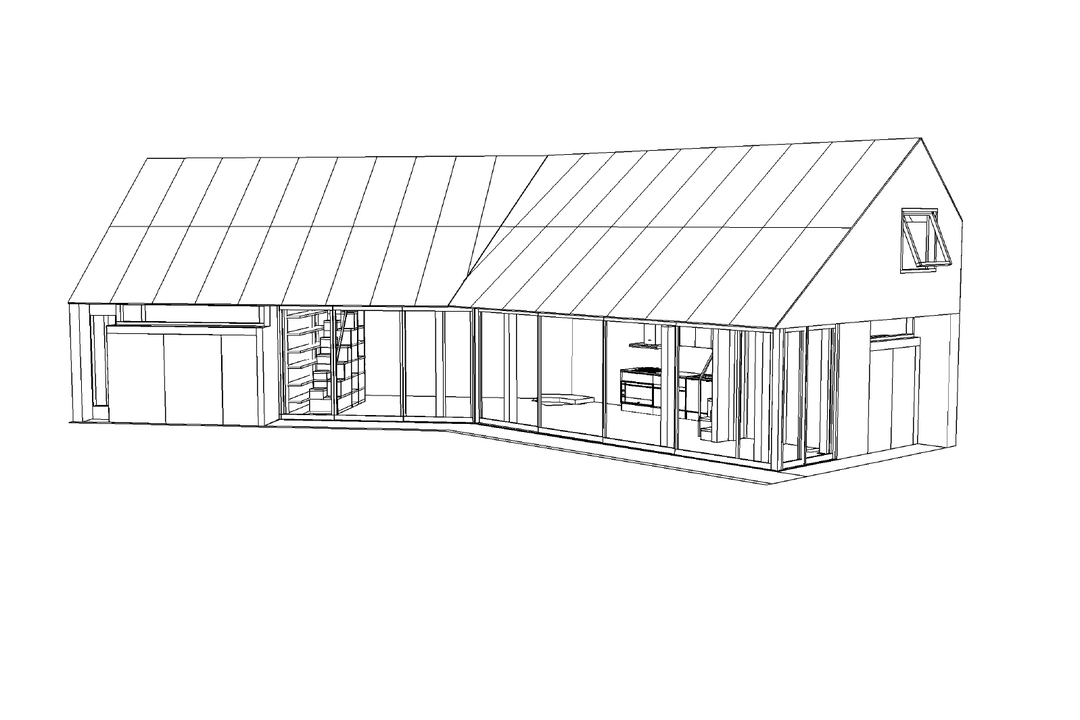
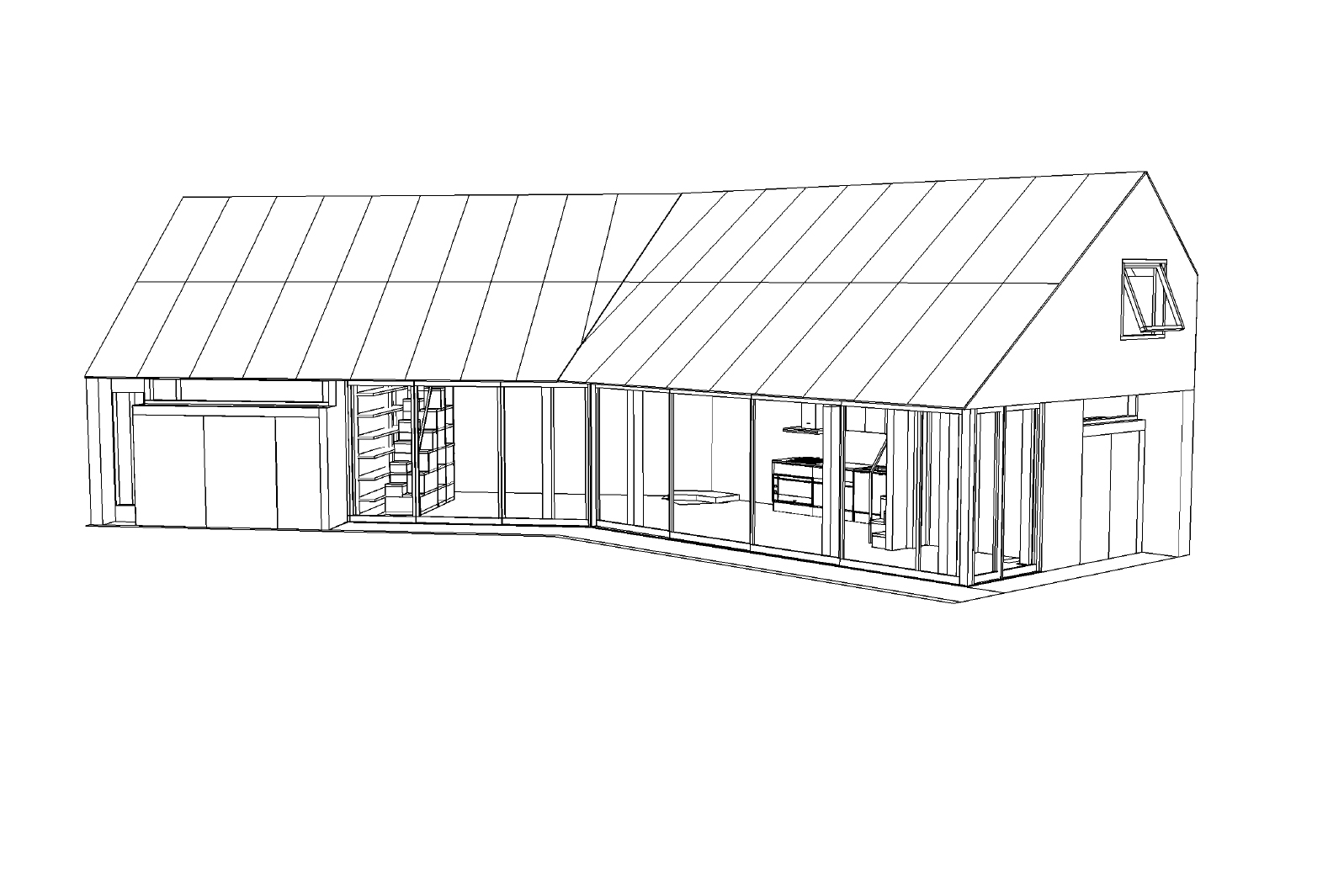
2015_in progress_Litchfield, ME., 800ft2
In the 1920s, the small towns in an inland lake district in central Maine began dividing parcels of land into small "camps" to attract distant urbanites to invest in inexpensive vacation homes. Aggregations of camps were known as "colonies". At Pleasant Pond land use restrictions were minimal; many camps were built on or over the water, raised up on stilts. Many were built close together, with no setback requirements.
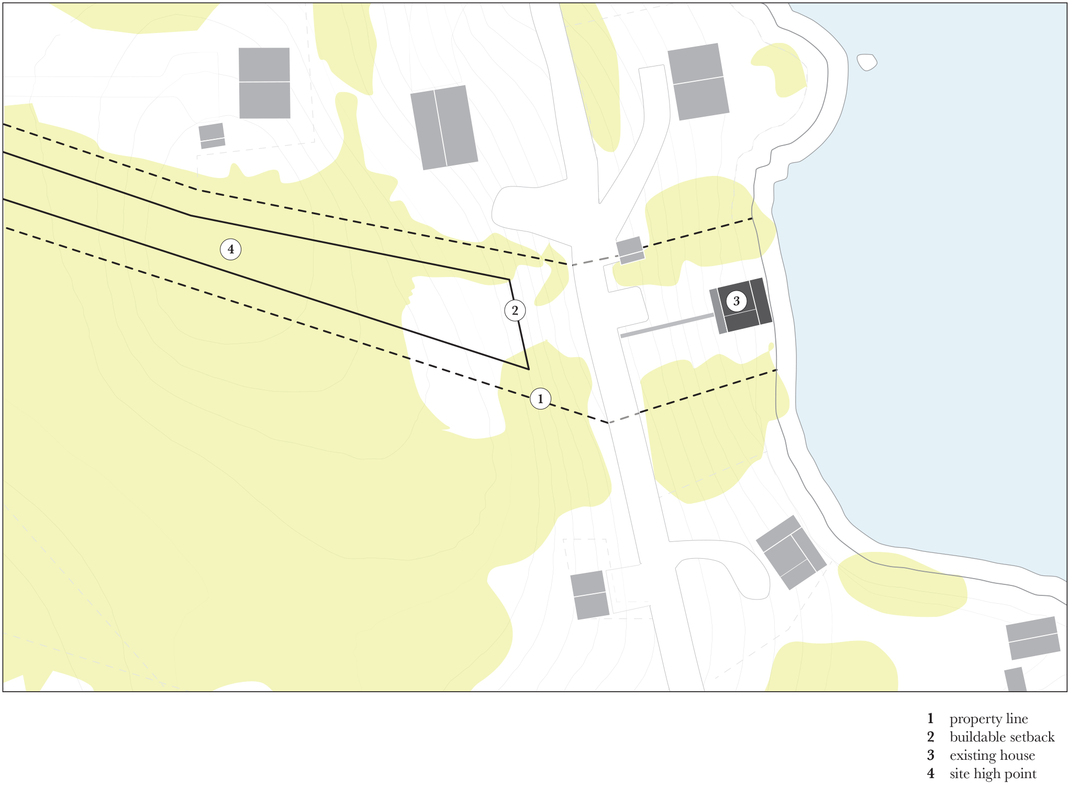
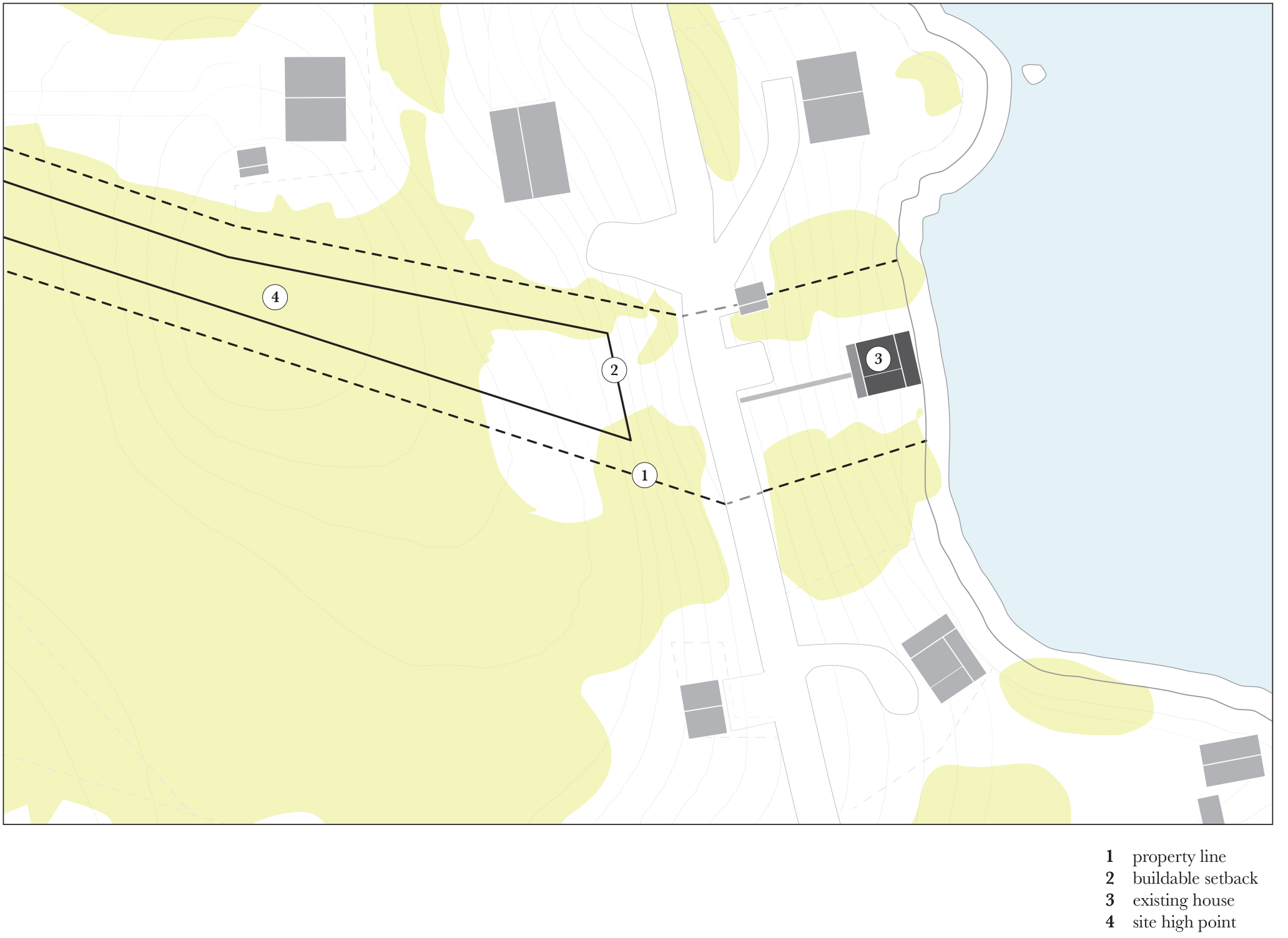
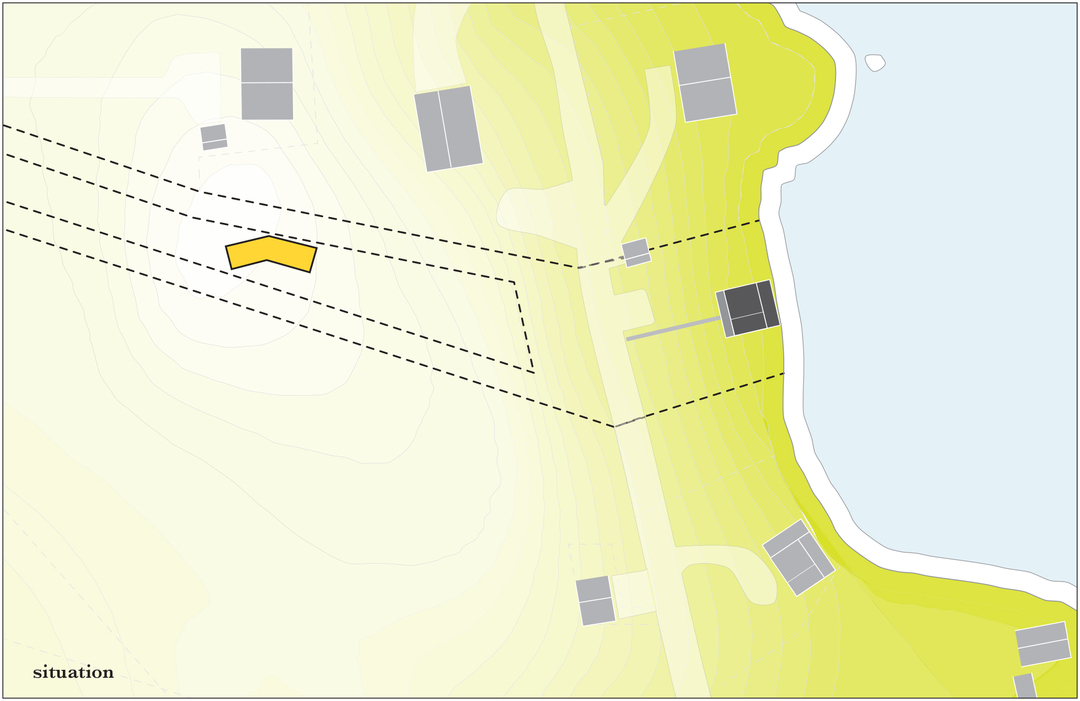
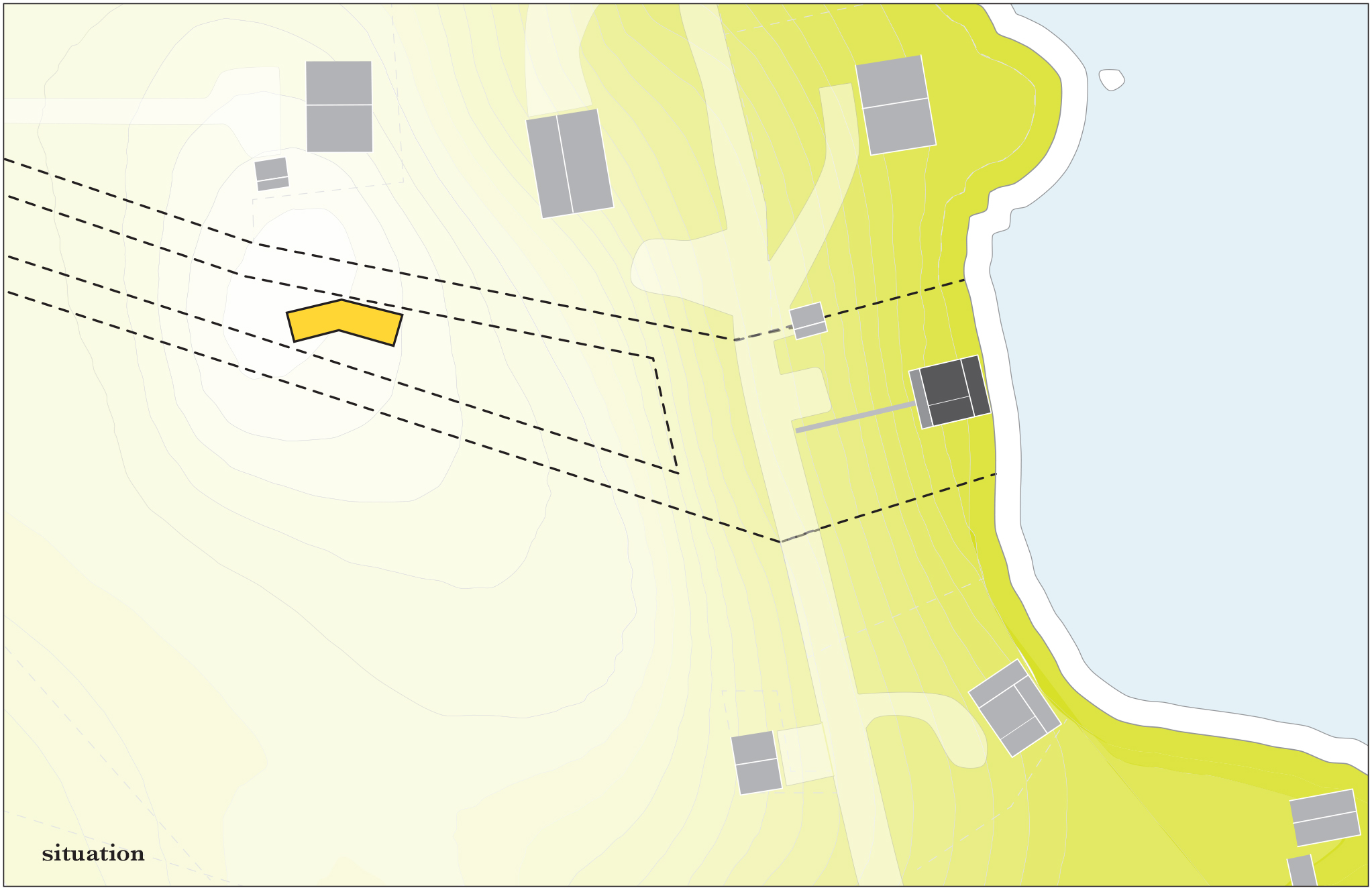
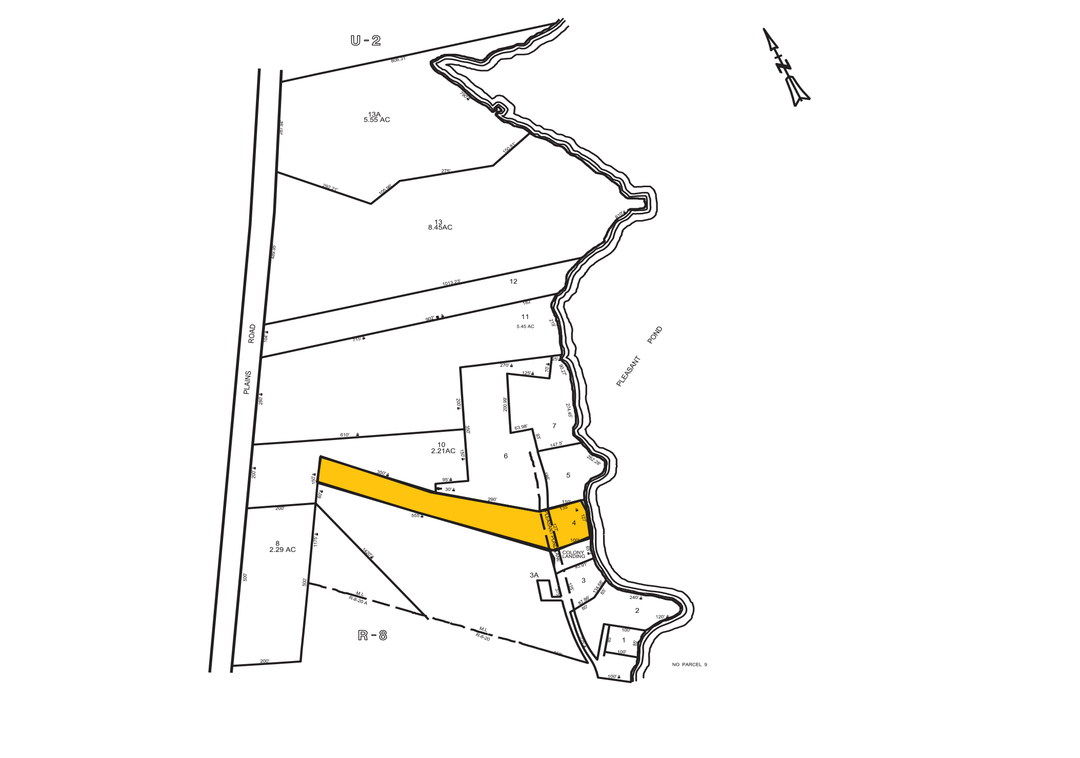
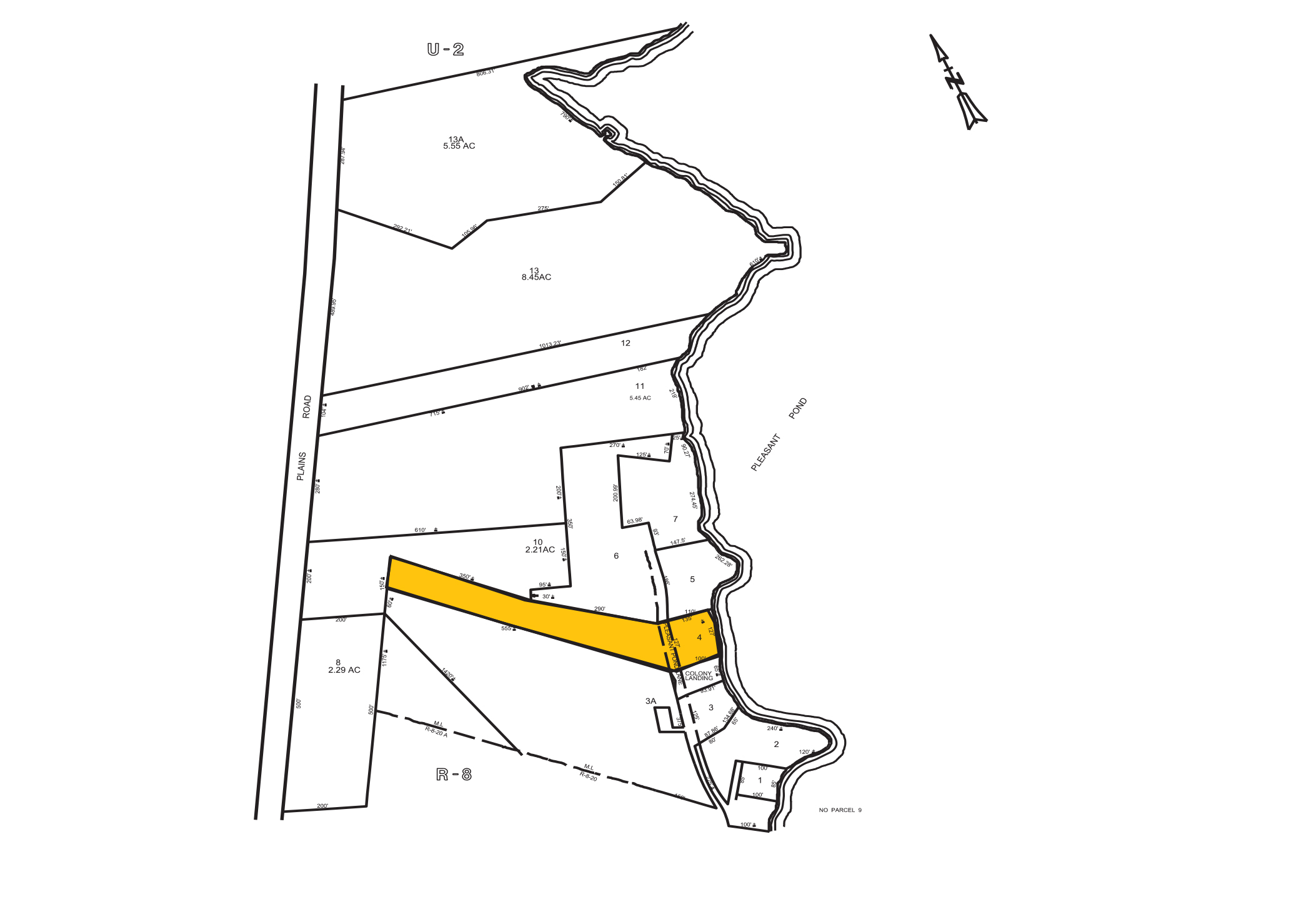
The property on Pleasant Pond Lane includes a camp dating from the original colony. The property has been in the same family for 75 years, its narrow boomerang shape is almost unbuildable by today's zoning restrictions. The family desires a small, winterized, self-sufficient house, in contrast to the uninsulated summer-use-only camp on the property's waterfront.
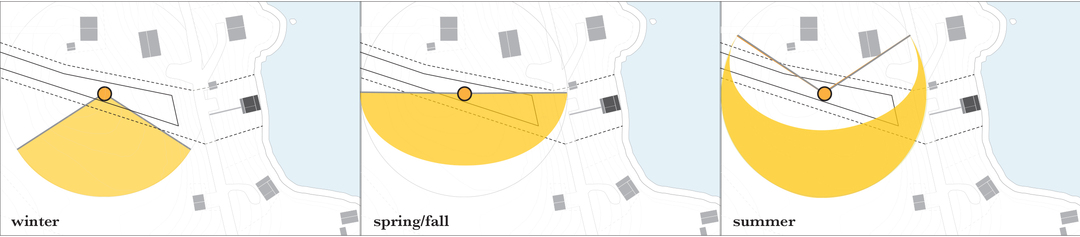
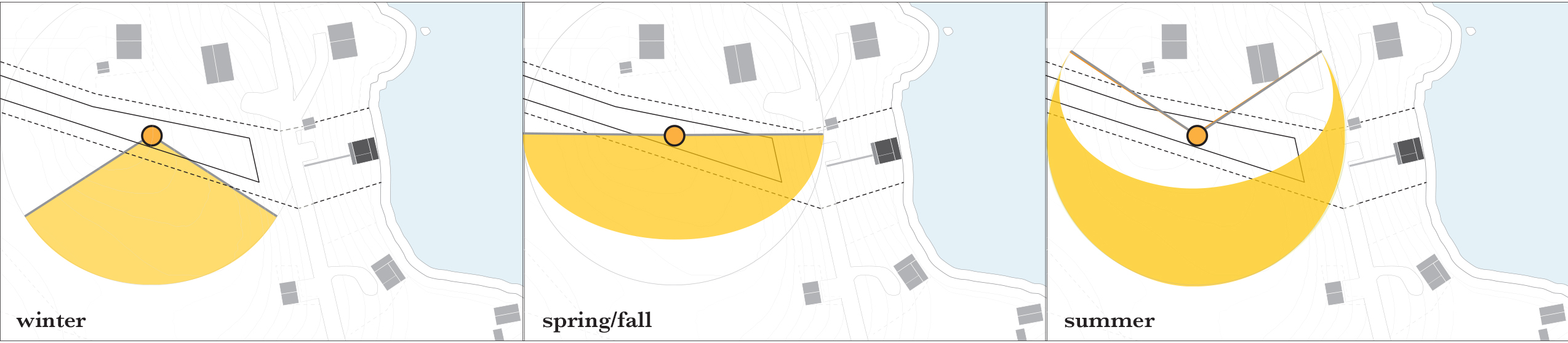
The proposed house is situated at the highpoint of the site to maximize views and allow the roof solar array to sit above the surrounding forest. The 800 square foot house coincidentally mirrors the site's boomerang shape, to maximize the efficiency of the solar panels year-round and create a gently enclosed private zone on the south exposure. The northern facades will be partially under grade where the hill peaks out, this minimizes the vis-a-vis with a neighboring house and improves envelope efficiency to make up for the home's less-than thermally ideal long, narrow shape. On the interior, the opposing ends will contain adult and children's bedrooms, with living space in the middle, centered on a wood burning stove.
The first phase of the project includes a redesign of the kitchen in the existing camp. The tiny kitchen has two walls that separate it from the larger living areas. These function as sheer walls. The design maintains the structural function of these walls much as a honeycomb has structure, by converting them to built-in storage "boxes", while opening them up to the space beyond.